
The Complete Company Statutory Audit Process: From Planning to Audit Report
Oct 08, 2026 | Learn the company statutory audit process in Singapore, from planning and risk assessment to audit testing, final checks and the audit report.
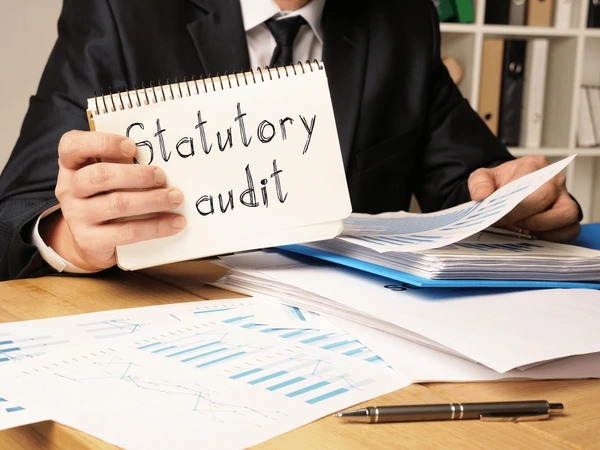
A statutory audit can be demanding when records are incomplete, deadlines are tight, or the audit team continuously requests additional documentation. However, a well-planned audit does not need to disrupt daily business operations.
In Singapore, companies that do not qualify for an audit exemption may need their financial statements audited. The process gives shareholders and other users more confidence in the financial statements. It can also uncover reporting gaps and weak controls.
This guide explains the complete company statutory audit process, from early planning and risk assessment to audit testing, final checks, and the independent auditor’s report.
Table Of Contents
- What Is a Company Statutory Audit?
- Who Needs a Statutory Audit in Singapore?
- The Statutory Audit Process, Step by Step
- How to Prepare for a Statutory Audit
- Common Problems During an Audit
- Conclusion
- FAQs
What Is a Company Statutory Audit?
A company statutory audit refers to the independent examination of the financial statements of a company. The auditor collects and reviews evidence from the company's financial records. Based on this evidence, the auditor forms an opinion on whether the financial statements are prepared under the relevant financial reporting framework.
It is not just about checking the invoices and bank statements. The auditor recognises the major risks involved, performs a check on selected transactions and balances, and evaluates the company's internal controls.
In Singapore, financial statement audits are conducted in accordance with the relevant Singapore Standards on Auditing (SSAs), which provide standards for areas such as audit planning, risk assessment, evidence and reporting.
Who Needs a Statutory Audit in Singapore?
Companies in Singapore are generally required to audit their accounts, except for those that qualify for an audit exemption. Understanding what constitutes a statutory audit in Singapore is essential to fulfilling your reporting obligations.
A private company will be eligible for the small company audit exemption if it satisfies two out of the following three conditions during the last two consecutive financial years:
| Criteria | Threshold |
|---|---|
| Annual revenue | S$10 million or less |
| Total assets | S$10 million or less |
| Full-time employees | 50 or fewer |
For the latest eligibility rules and exemption criteria, businesses can refer to ACRA's official guidance on small company audit exemptions.
The Statutory Audit Process, Step by Step
A statutory audit consists of several distinct stages, from initial planning through to the final audit report. These stages allow the auditor to collect sufficient evidence regarding the company's financial statements. Understanding these steps enables businesses to prepare their records effectively in advance.
Stage 1: Audit Engagement and Planning
The audit begins with the planning phase. During this phase, the external auditor in Singapore negotiates the terms of engagement and gains an understanding of the organisation, its operations, financial reporting, and significant transactions.
Typical activities during this phase include:
- Understanding the organisation's business and industry
- Reviewing key accounting systems and processes
- Discussing significant transactions and events
- Setting materiality levels and the audit schedule
Effective planning enables the audit team to concentrate on the right areas.
Stage 2: Risk Assessment
Next, the auditor identifies areas where material errors or fraud could affect the financial statements. The level of risk helps determine which areas need more audit attention.
The risk assessment may cover:
- Revenue recognition and unusual sales transactions
- Inventory quantities, costs, and valuation
- Accounting estimates and significant judgements
- Internal controls over payments and financial reporting
A clear risk assessment helps the auditor design suitable procedures for the next stage.
Stage 3: Audit Fieldwork and Testing
During fieldwork, the auditor gathers evidence to support the figures and disclosures in the financial statements. Testing focuses on areas identified as important or higher risk.
Common audit procedures include:
- Checking sales and purchases against supporting documents
- Reviewing bank statements and external confirmations
- Testing payroll, inventory, and fixed asset records
- Examining contracts and significant accounting estimates
Companies using professional statutory audit services can reduce delays by keeping supporting documents complete and easy to access.
Stage 4: Review of Audit Findings
After testing, the auditor reviews any errors, missing documents, control gaps, or other issues found during the audit. Management may need to provide more evidence or correct certain figures.
At this stage, the auditor may:
- Discuss audit findings with management
- Request explanations or additional documents
- Review proposed adjustments to financial statements
- Assess the effect of identified misstatements
Quality audit and assurance services can also help businesses identify reporting and control areas that may need attention.
Stage 5: Audit Completion and Final Checks
Once the main testing is complete, the auditor performs final checks before forming an audit opinion. This ensures that key issues have been addressed and enough suitable audit evidence has been obtained.
Final audit procedures may include:
- Reviewing events after the financial year-end
- Assessing management's going concern evaluation
- Checking the final financial statements and disclosures
- Obtaining written representations from management
These checks help ensure the auditor has sufficient appropriate evidence to support the final opinion.
Stage 6: The Final Audit Report
The final stage of the company statutory audit is the independent auditor's report. The auditor forms an opinion based on the evidence gathered throughout the audit.
Depending on the findings, the report may contain:
- An unmodified opinion
- A qualified opinion
- An adverse opinion
- A disclaimer of opinion
The final audit report communicates the auditor's independent conclusion on the company's financial statements.
How to Prepare for a Statutory Audit
With thorough preparation, the statutory audit process runs more smoothly, minimising repetitive requests for information from the auditor. The preparation also makes it easier for your team to supply accurate documentation.
Close Your Accounts on Time
Complete your end-of-year accounting prior to the start of the audit and analyse all major account balances. Look for errors or omissions in accounts receivable, accounts payable, inventories, fixed assets, payroll, and end-of-year journal entries.
Complete Bank Reconciliations
Make sure your accounting records match your bank statements. Resolve any outstanding differences before providing the records to the auditor.
Organise Supporting Documents
Maintain all invoices, contracts, bank statements, tax documents, board records, and other documents in one easily accessible place. Having organised records will enable the auditor to validate transactions without delay.
Assign an Audit Contact Person
Assign one person to handle the process of document requests and communicate with the audit team. This ensures clear accountability and prevents critical details from being overlooked or passed back and forth between departments.
Discuss Major Changes Early
Tell the auditor about unusual transactions, new business activities, system changes, or major contracts before fieldwork begins. Early communication can make audit compliance in Singapore easier and reduce last-minute questions.
Common Problems During an Audit
Even well-managed companies can face problems during a statutory audit. Early preparation can help reduce delays and extra work.
- Missing Documents: Missing invoices or contracts can slow the audit process. Keep key records organised throughout the year.
- Slow Responses: Delays may prolong the audit process. Appoint someone responsible for the auditor's requests.
- Incomplete Records: Missing entries or unreconciled balances can create extra work. Review your financial records before the audit begins.
- Late Preparation: Last-minute preparation can lead to mistakes. Prepare documents and schedules in advance.
Good records and timely responses can make the company statutory audit much smoother.
Conclusion
A company statutory audit becomes easier when records are accurate, documents are organised, and preparation starts early. Understanding each stage also helps reduce delays and supports smoother audit compliance.
With the right audit support, businesses can meet their reporting duties while gaining greater confidence in their financial records. Ascern provides professional statutory audit and assurance services tailored to the needs of Singapore businesses.
If you need guidance with your upcoming statutory audit, contact us at Ascern to discuss your requirements and next steps.
FAQs
No. Not every Singapore company requires a statutory audit. Some private companies may qualify for the small company audit exemption if they meet the required criteria.
The timeline depends on the company's size, quality of records and complexity of operations. Proper preparation and promptness in responding to the audit queries can shorten the process.
Auditors may request financial statements, bank statements, invoices, contracts, payroll records, tax records and supporting schedules. This depends on the nature of the business under audit.
External auditors examine the accounting documents and obtain the necessary information concerning the financial statements. They might look at transactions, balances, disclosures, estimates, and controls, among others.
Keep your financial records up to date, complete reconciliations, and organise supporting documents before the audit begins. It would be helpful to have one person coordinating communications with the auditors.
Related insights: Common ACRA Filing Mistakes Directors Make (and How to Avoid Late Filing Penalties)
Elevate Your Boardroom Dynamic
Discover how our strategic governance solutions can transform your organization's leadership and decision-making processes.